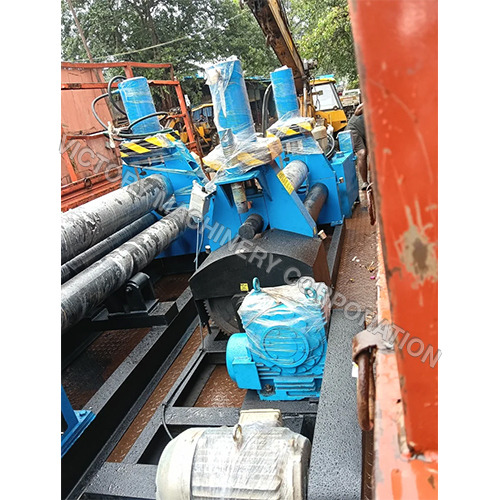
About bending machine
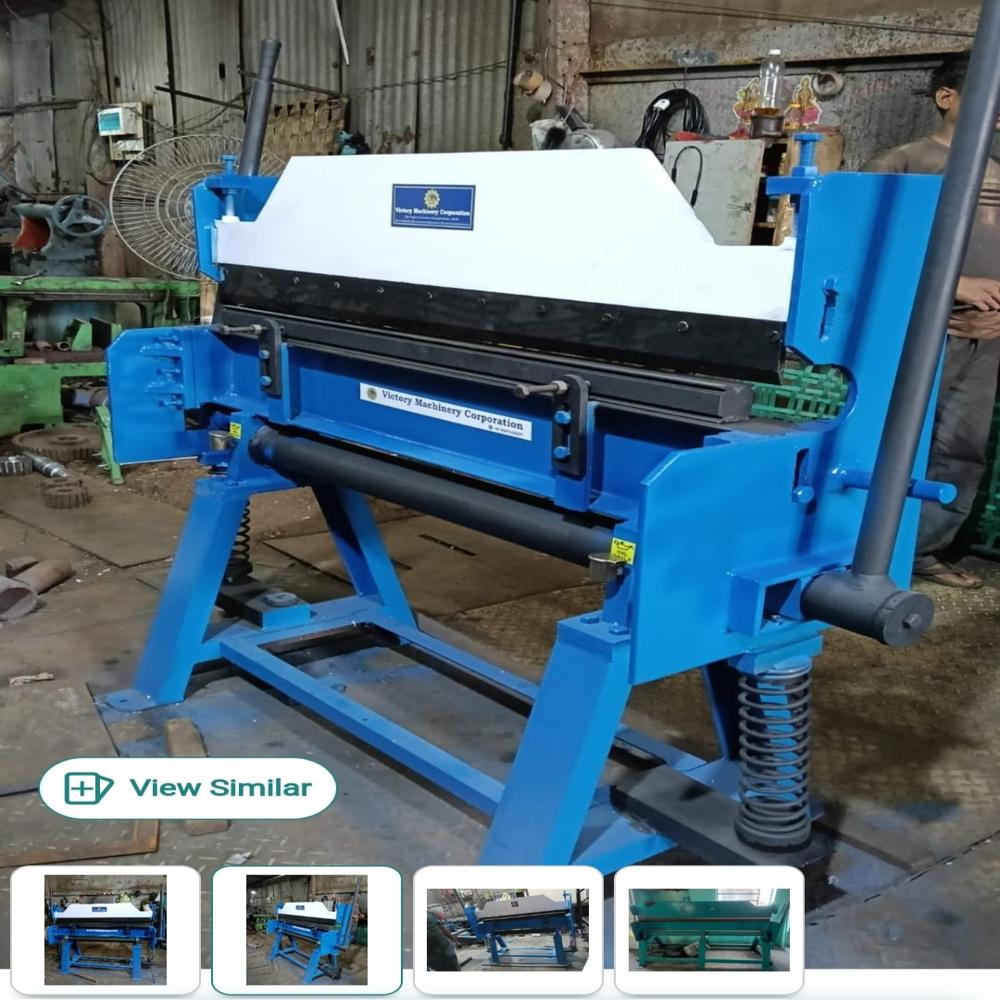
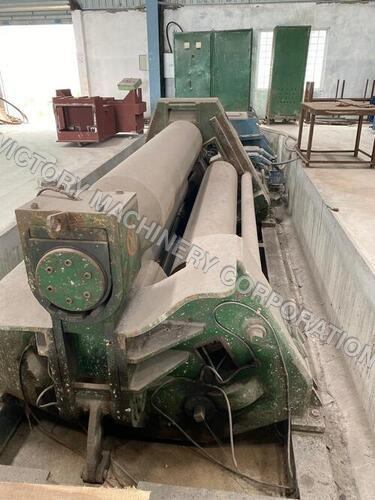
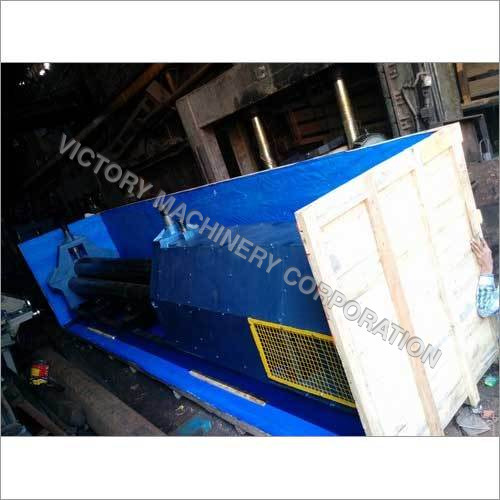
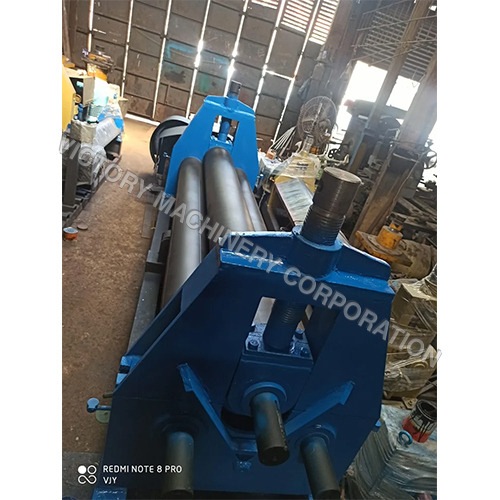
A plate folding machine isa metalworking tool designed to bend, fold, or shape metal plates into precise angles, arcs, or cylindrical forms. It typically consists of a robust frame with a clamping beam and a folding beam, available in manual, hydraulic, or CNC-controlled models to handle various sheet thicknesses.
Durable and Versatile Sheet Bending SolutionCrafted from high-grade steel with a powder-coated finish, this manual bending machine is built for reliability and long life. Its interchangeable tooling system and adjustable clamping make it suitable for various bending tasks in HVAC, duct fabrication, and general sheet metal work. Designed for workshops operating within 5C to 45C, it remains effective and dependable.
Easy to Operate and MaintainWith hand-operated levers and manual clamping, setup and operation are straightforward, even for new users. The machine requires minimal regular maintenance and boasts low operational noise. Not tied to electrical supply phases, it suits any workshop environment, providing flexibility and trouble-free usability.
Safety and Support AssuredEquipped with safety guards, mechanical locking, and precision controls, operator safety is prioritized. Onsite and remote technical support is available, ensuring optimal performance and quick resolution of any issues. The machine's portability further enhances its practicality for dynamic workshop spaces.
FAQ's of bending machine:
Q: How do I operate the manual bending machine for optimal results?
A: To operate the manual bending machine, securely clamp the sheet using the manual lever or screw clamp, select the appropriate bending die, and use the hand-operated lever to form the desired angle (0-135, adjustable). Ensure safety guards are engaged throughout the process for safe handling.
Q: What types of materials and sheet thicknesses can this bending machine handle?
A: This machine is suitable for bending mild steel sheets of up to 2.5 mm thickness. Its heavy-duty frame and robust clamping system accommodate a maximum working width of 6 feet, depending on the model. It is ideal for HVAC, duct fabrication, and other light sheet metal fabrication uses.
Q: When should I perform maintenance on this machine, and what does it require?
A: Routine cleaning and occasional lubrication of moving joints are generally sufficient, as the machine is designed for low maintenance. Inspect safety features and mechanical locks regularly. Refer to the user manual for a maintenance schedule suited to workshop usage frequency.
Q: Where can I receive support or servicing if I encounter issues with the machine?
A: Both onsite and remote assistance are available from the distributor, manufacturer, or authorized service centers in India. Contact your supplier for troubleshooting, servicing, or replacement parts as required.
Q: What is the process for changing the bending dies for different tasks?
A: To switch bending dies, engage the machine's safety locks and ensure it is not under operation. Remove the existing die, insert the desired die, and secure it in place as per the instruction manual. Interchangeable dies allow you to tailor bends for various fabrication requirements.
Q: How does the manual operation benefit my workshop compared to automated machines?
A: Manual operation provides greater control over the bending process, especially for custom or low-volume jobs. It requires no external power phases, offers low noise levels, is portable, and entails lower maintenance and operating costs than automated alternatives.
Q: What customization options are available for this bending machine?
A: You can select from various tooling configurations and working width options to suit specific fabrication tasks. Color customization and voltage requirements (220V/380V) can also be specified during ordering, depending on your workshop's needs.
 Mon-Sat 10.00 AM - 6.00 PM
 Call Us:-08045817085



 Send Inquiry



 Send Inquiry

 Send Inquiry
 Send Inquiry
 Send SMS
 Call Me Free


